Young Indians are embracing minimalist lifestyles to reduce stress, save money, and create healthier living environments. From compact smart homes to sustainable shopping habits, minimalism is shaping modern urban living.
In recent years, minimalist living has become more than just an interior design trend in India. It has evolved into a lifestyle movement that focuses on simplicity, intentional living, and mental clarity. In 2026, many young professionals and urban families are moving away from excessive consumerism and choosing organized, clutter-free lifestyles.
The fast-paced digital world has increased stress levels, leading many people to seek calm and balance within their personal spaces. Minimalism helps individuals focus on experiences rather than material possessions. Small apartments in metropolitan cities like Mumbai, Bengaluru, and Delhi have also encouraged people to maximize functionality while minimizing unnecessary items.
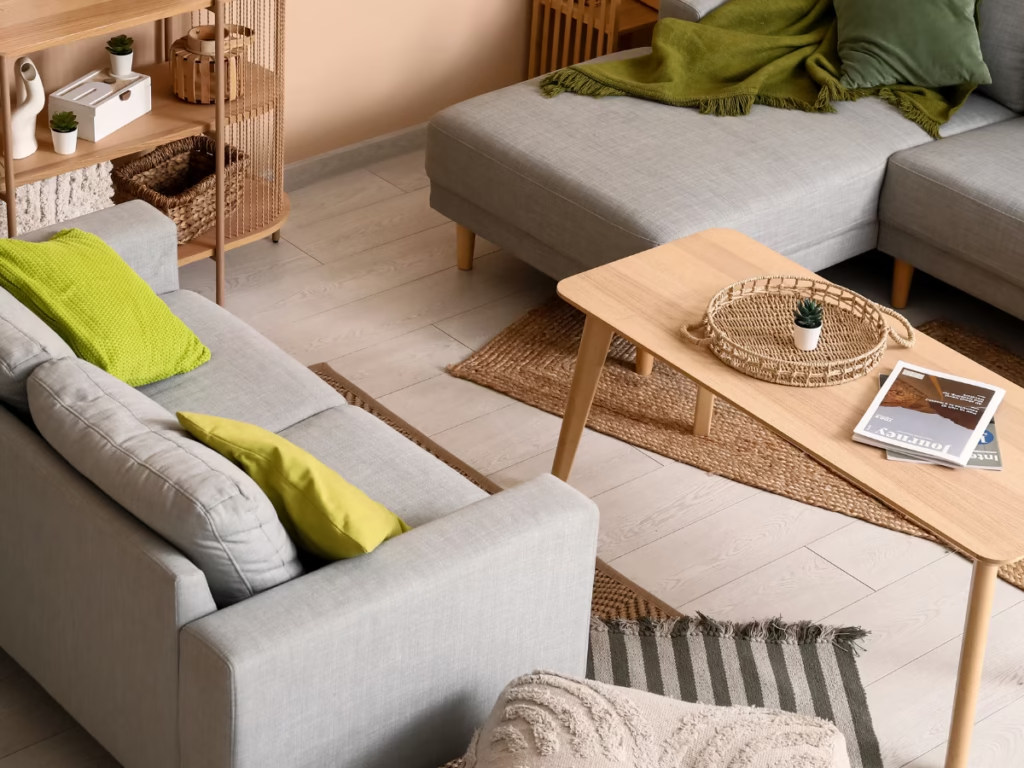
Modern minimalist homes often feature neutral color palettes, smart storage systems, natural lighting, and multi-purpose furniture. Smart home technology is also supporting this trend through voice-controlled devices, energy-efficient appliances, and automated lighting systems.
Financial awareness is another major reason behind the popularity of minimalist living. Young adults are becoming more cautious about unnecessary spending and are prioritizing savings, investments, and travel experiences instead of luxury purchases.
Mental wellness experts also suggest that organized living spaces can improve concentration, reduce anxiety, and promote emotional well-being. Social media creators and lifestyle influencers continue to inspire audiences with clean aesthetics and sustainable living ideas.
Minimalist living in India is no longer only about design — it reflects a broader shift toward conscious and balanced living.