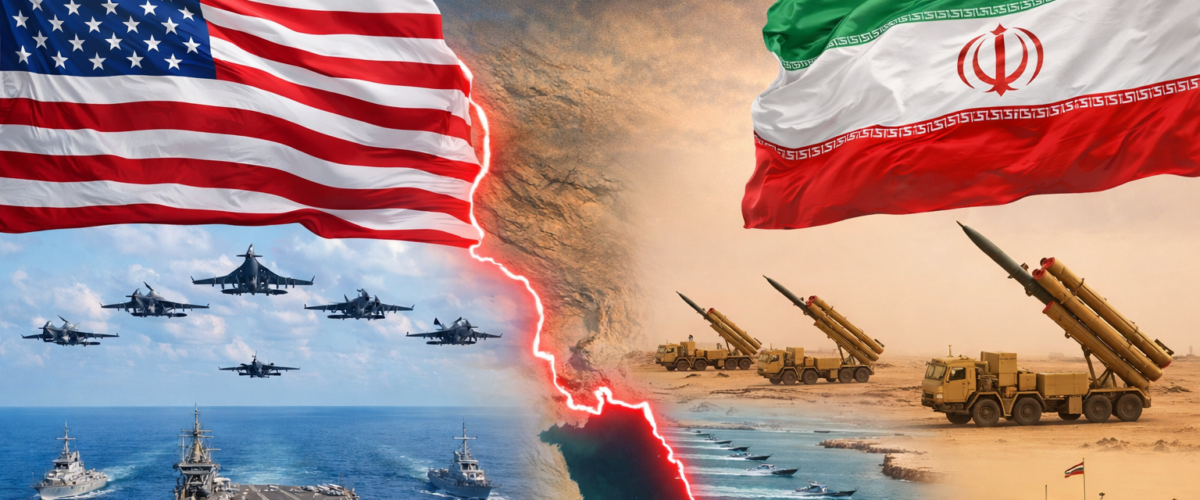
Historic Middle East Agreement Nears Finalization
U.S. President Donald Trump announced that a major diplomatic agreement involving the United States, Iran, and several key Middle Eastern nations is close to completion, signaling what could become one of the most significant geopolitical developments in the region in recent years.
According to Trump, final negotiations are currently underway, with an official announcement expected shortly. One of the most notable elements of the agreement includes the reopening of the Strait of Hormuz — a globally strategic shipping route responsible for transporting a significant portion of the world’s oil supply.
Trump described the discussions as “very productive” and stated that multiple regional leaders participated in high-level diplomatic conversations focused on peace, stability, and long-term cooperation in the Middle East.
Strait of Hormuz Reopening Could Impact Global Markets
The reopening of the Strait of Hormuz is being viewed as a major development for global energy markets and international trade. The waterway, located between Iran and Oman, is one of the world’s most critical maritime routes for crude oil and liquefied natural gas exports.
Analysts believe that easing tensions around the strait could reduce pressure on oil prices, improve shipping stability, and lower geopolitical risks across the Gulf region.
The announcement immediately triggered strong reactions across financial markets, crypto markets, and energy sectors, as traders closely monitor developments surrounding the proposed agreement.
Regional Leaders Participate in Peace Discussions
Trump revealed that leaders from several major nations participated in discussions regarding the framework for peace and regional cooperation.
Among the countries involved were Saudi Arabia, the United Arab Emirates, Qatar, Pakistan, Türkiye, Egypt, Jordan, and Bahrain. Trump also confirmed that a separate conversation with Israeli Prime Minister Benjamin Netanyahu was “very positive.”
The discussions reportedly centered around a broader Memorandum of Understanding related to regional peace, security cooperation, economic stability, and de-escalation between Iran and neighboring countries.
Potential Turning Point for US-Iran Relations
While details of the agreement have not yet been fully disclosed, political analysts believe the framework could represent a major shift in U.S.-Iran relations after years of economic sanctions, military tensions, and diplomatic standoffs.
If finalized, the agreement may also improve regional investment sentiment, strengthen trade routes, and encourage renewed diplomatic engagement between Western and Middle Eastern nations.
Officials have not yet confirmed the timeline for the final announcement, but expectations are growing that additional details could emerge within the coming days.
Global Attention Turns Toward Final Confirmation
The international community is now awaiting official confirmation of the agreement and its exact terms. Markets, governments, and businesses across the world are expected to closely monitor how the proposed deal could reshape geopolitical dynamics in the Gulf region.
The possibility of stabilized shipping through the Strait of Hormuz, combined with broader diplomatic coordination among regional powers, has already sparked discussions about a potential new phase of Middle Eastern diplomacy.
As negotiations continue behind closed doors, investors and policymakers alike remain focused on what could become a defining geopolitical agreement of 2026.