Etsy Fur Ban and Allbirds Collapse Reveal the Contradictions of Sustainable Fashion
Two major stories emerged within days of each other in May 2026, exposing both the progress and the growing tensions inside the sustainable fashion industry.
One development was celebrated by animal rights activists around the world. The other sent shockwaves through investors and sustainability advocates who believed environmentally focused brands could compete at scale.
Together, the stories highlight a deeper question facing the fashion industry in 2026: can sustainability remain commercially viable in an increasingly profit-driven global market?
Etsy Announces Major Fur Ban Across Global Marketplace
Etsy, the global online marketplace known for handmade and independent products, announced that it will officially ban the sale of animal fur products starting in August 2026.
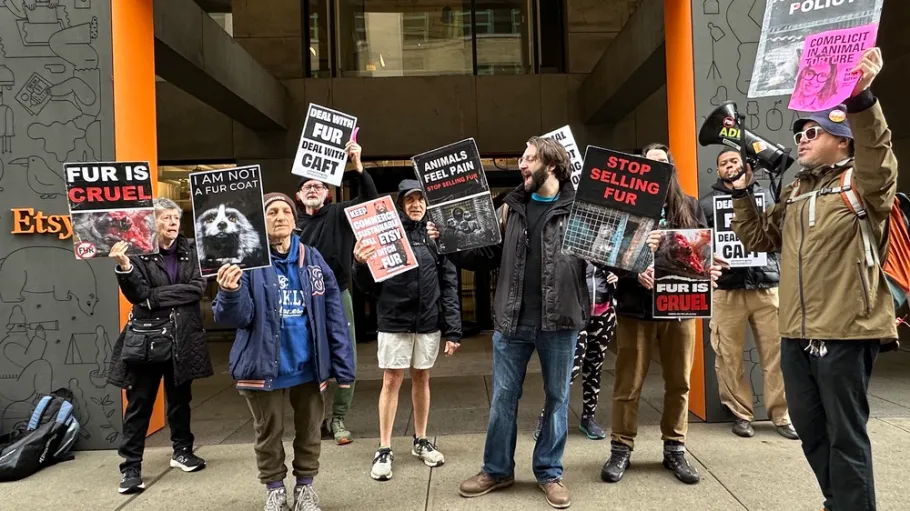
The policy change follows months of pressure from the Coalition to Abolish the Fur Trade, which organized protests and targeted Etsy during a conference appearance in San Francisco earlier this year.
The Etsy fur ban is significant because of the company’s enormous global reach. The platform serves nearly 96 million active buyers annually and hosts millions of independent sellers across more than 190 countries.
Unlike luxury fashion brands making symbolic fur-free pledges, Etsy’s decision directly impacts thousands of small businesses that currently sell vintage fur, recycled fur, and newly produced animal fur items.
The announcement immediately sparked debate across the sustainable fashion community. Some sellers argued that recycled or vintage fur products should not be treated the same as newly manufactured fur because they reuse existing materials instead of creating new environmental harm.
Others supported the move, saying the ban represents a broader cultural shift away from animal-derived fashion products.
Allbirds Abandons Sustainability Mission After Acquisition
Just days after Etsy’s announcement, another headline delivered a far more troubling signal for the future of sustainable business models.
Allbirds, once considered one of the most recognizable sustainable fashion and footwear brands in the world, has reportedly been acquired by investors planning to pivot the company toward AI infrastructure and technology-related operations.
The wool-based footwear company became a symbol of conscious consumerism after its highly anticipated IPO in 2021. However, years of mounting financial losses and slowing growth ultimately weakened investor confidence.
Following the acquisition, the company’s board voted to remove references to environmental conservation and public benefit commitments from its corporate charter — a move that shocked many long-time supporters.
For critics, the Allbirds collapse demonstrates how difficult it remains for sustainability-focused companies to prioritize environmental missions while delivering the level of profitability expected by modern investors.
Can Sustainable Fashion Survive Commercial Pressure?
The contrasting stories of Etsy and Allbirds have reignited a major debate within the sustainable fashion industry.
On one side, companies are increasingly adopting ethical policies in response to consumer pressure, environmental concerns, and activist campaigns. On the other, businesses built entirely around sustainability continue to face enormous financial pressure in competitive markets.
Analysts say the challenge lies in balancing mission-driven branding with scalable profitability. Consumers consistently express support for sustainable fashion, yet purchasing behavior often remains heavily influenced by pricing, convenience, and trend cycles.
The downfall of multiple eco-focused startups in recent years has raised questions about whether sustainability alone can sustain long-term business growth.
The Future of Ethical Fashion in 2026
Despite the uncertainty, sustainable fashion continues to evolve rapidly. Brands are investing in recycled materials, low-carbon manufacturing, circular economy models, and cruelty-free alternatives as regulatory pressure increases worldwide.
The Etsy fur ban signals that ethical standards are becoming stricter across major global marketplaces. At the same time, the Allbirds situation serves as a warning about the financial realities facing environmentally focused companies.
As the fashion industry moves deeper into 2026, the sector appears increasingly divided between sustainability as a marketing strategy and sustainability as a long-term corporate mission.