The search for a true anti-aging breakthrough may have taken a major step forward after scientists revealed that a drug originally developed for cancer treatment can significantly reverse skin aging while dramatically improving wound healing speed.
Researchers behind the May 2026 study focused on a compound known as ABT-263, a senolytic drug designed to target and remove senescent cells — aged and damaged cells that accumulate over time inside the body. These cells no longer function properly, yet they refuse to die naturally, releasing inflammatory chemicals that disrupt surrounding healthy tissue and accelerate aging.
In skin tissue, the buildup of senescent cells has long been associated with wrinkles, reduced elasticity, slower regeneration and delayed healing after injuries or surgery. Scientists now believe removing these dysfunctional cells could unlock the body’s dormant regenerative capabilities.
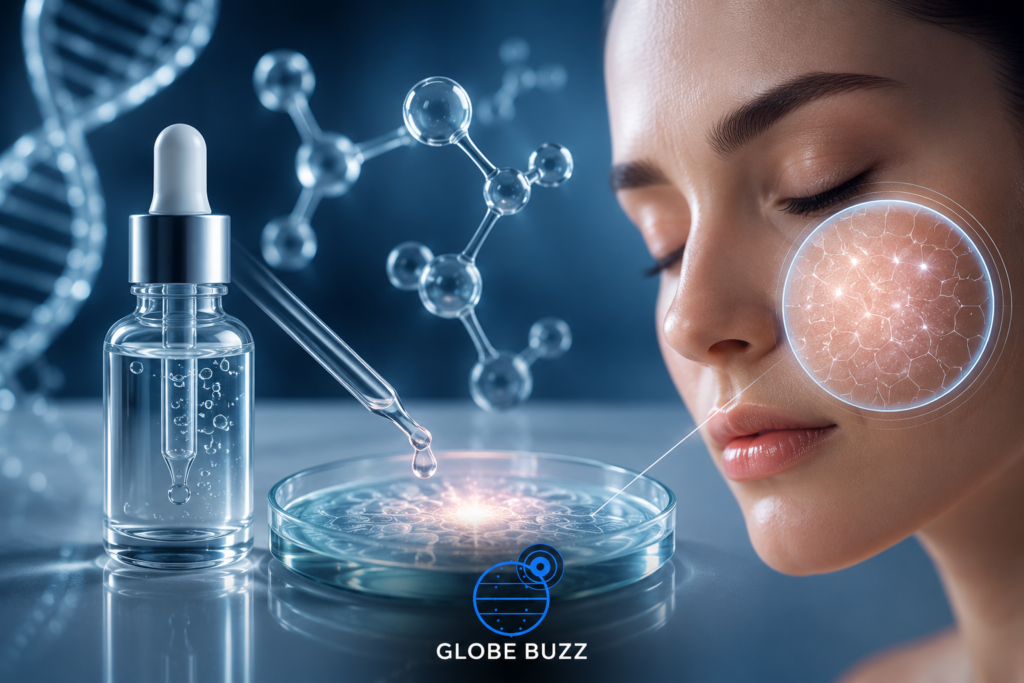
During the study, researchers applied ABT-263 topically to aged skin samples under controlled laboratory conditions. The results surprised even optimistic observers.
The treated tissue showed clear biological signs of rejuvenation, with skin behaving more similarly to younger tissue both structurally and functionally. At the same time, wound healing speeds improved dramatically compared to untreated aged skin, suggesting that the drug may restore the body’s natural repair mechanisms.
Scientists say the mechanism behind the treatment is relatively straightforward. Senescent cells effectively interfere with communication between healthy cells and the body’s repair systems. By eliminating these dysfunctional cells, ABT-263 allows surrounding healthy tissue to regenerate more efficiently and respond to damage the way younger skin naturally would.
The implications could extend far beyond cosmetics.
Medical experts believe the breakthrough could eventually help elderly patients recover faster after surgery, reduce complications linked to slow tissue repair and improve treatment outcomes for burns, pressure ulcers and chronic wounds. These conditions currently affect millions of aging patients globally and place enormous financial pressure on healthcare systems every year.
The findings also arrive as the global anti-aging and regenerative medicine industry continues expanding rapidly, with biotech firms investing billions into therapies designed to slow or reverse cellular aging rather than simply masking its appearance.
Despite the excitement, researchers and dermatologists are urging caution. The study remains in early-stage laboratory testing, and significant clinical trials will still be required before ABT-263 can be approved for mainstream medical or cosmetic use.
Questions surrounding long-term safety, dosage levels and patient compatibility remain unresolved. Scientists will also need to determine whether the treatment behaves consistently across different skin types, age groups and medical conditions.
Still, experts say the discovery represents one of the most meaningful developments in regenerative dermatology in years because it focuses on reversing biological aging processes rather than offering temporary cosmetic enhancement.
If future human trials confirm the laboratory results, ABT-263 could eventually become part of a new generation of therapies aimed at restoring tissue health at the cellular level — potentially transforming anti-aging medicine, surgical recovery and wound care in the decade ahead.