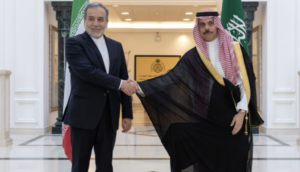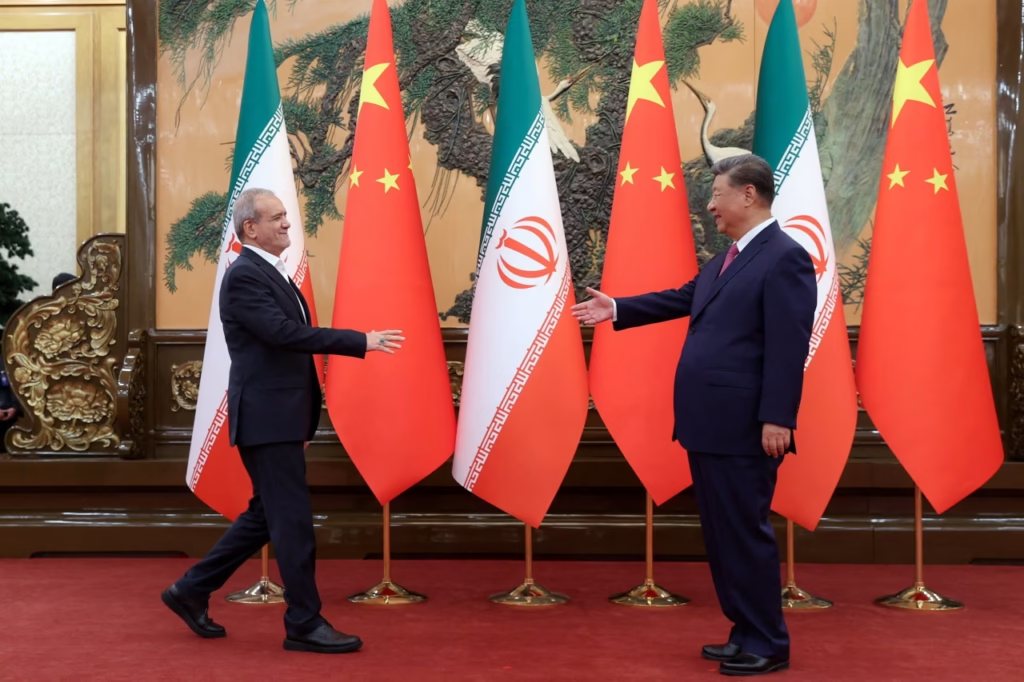
China has strongly criticized recent U.S. sanctions connected to Iran, calling the measures “illegal” and warning against what Beijing described as unilateral pressure tactics.
The response came after Washington imposed sanctions on several Chinese-linked companies accused of supporting Iranian military and energy-related activities. Chinese officials rejected the allegations and said the sanctions lacked authorization under international law.
Chinese Foreign Ministry spokesperson Guo Jiakun stated that Beijing would continue protecting the “legitimate rights and interests” of Chinese businesses and opposed the use of unilateral sanctions outside the framework of the United Nations.
The latest dispute further increases tensions between the United States and China at a time when both countries are already facing disagreements over trade, Taiwan, technology restrictions, and the growing crisis in the Middle East. Analysts say Iran has now become another major flashpoint in the broader geopolitical rivalry between Washington and Beijing.
China remains one of Iran’s largest economic partners and a major buyer of Iranian oil despite years of Western sanctions. In recent weeks, Beijing has taken a firmer stance against U.S. secondary sanctions, with reports indicating Chinese authorities instructed some domestic firms not to comply with certain American restrictions targeting Iran-related trade.
The situation comes as global markets closely monitor developments involving:
- Middle East stability
- Energy supply chains
- Oil prices
- U.S.-China relations
- Iran nuclear diplomacy
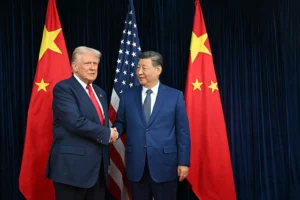
Diplomatic tensions are also rising ahead of upcoming high-level talks between U.S. President Donald Trump and Chinese President Xi Jinping, where Iran and regional security are expected to be major discussion points.