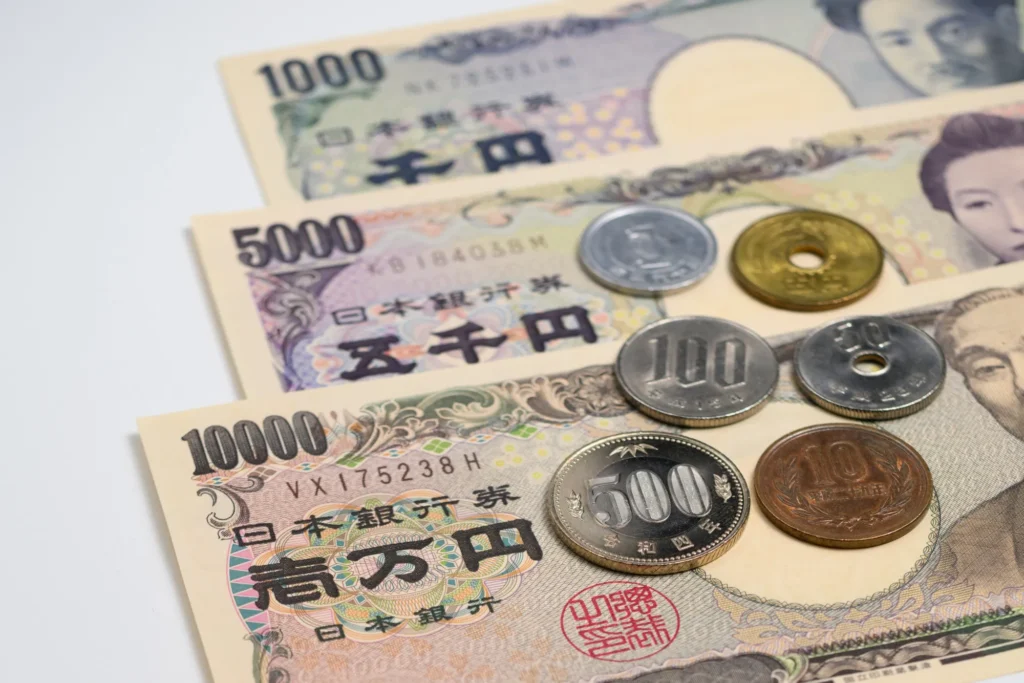
The Japanese yen has fallen to its lowest level against the US dollar since the 1980s, reigniting fears of a fresh trade confrontation between Washington and Tokyo at a time when the global economy is already under severe strain from the US-Iran conflict.
The yen’s weakness — part of a broader trend that geopolitical analysts have been flagging for months — makes Japanese exports significantly cheaper on world markets, creating a competitive advantage that Washington has historically viewed with suspicion.
Why the Yen Is Falling
Japan’s currency has been under sustained pressure from a combination of factors. The Bank of Japan has maintained its ultra-loose monetary policy longer than most developed market peers, keeping Japanese interest rates near zero while the US Federal Reserve held rates elevated throughout 2025 and into 2026.
The resulting interest rate differential has made dollar-denominated assets far more attractive to international investors, draining capital from Japanese markets and pushing the yen lower. The currency has now breached levels not seen since the Plaza Accord era of the mid-1980s — a period that ultimately triggered major international currency intervention.
Washington’s Growing Frustration
The Trump administration, which has repeatedly signalled its intent to use trade tools aggressively, is watching the yen’s decline with increasing displeasure. A weaker yen benefits Japanese automakers like Toyota, Honda and Nissan — direct competitors to US manufacturers — by making their vehicles cheaper to produce and export.
Trade hawks within the administration have argued that Japan’s currency weakness constitutes an effective subsidy to its export sector, even if the Bank of Japan’s policies are driven by domestic economic concerns rather than competitive intent.
Geopolitical analyst Abishur Prakash, writing in his May 2026 forecast, identified the yen collapse as one of three major themes reshaping global power dynamics this month — alongside the Mali security crisis and governance collapses across Europe.
“From Tokyo to Bucharest, critical links in the global system are snapping,” Prakash wrote.
The Broader Global Governance Crisis
Japan’s currency troubles are unfolding against a backdrop of political instability across multiple major economies. In Romania, the Prime Minister was ousted in a no-confidence vote last week — the latest in a series of government collapses that analysts say signals a deeper crisis of democratic governance globally.
The UK’s Labour Party under Prime Minister Keir Starmer suffered major losses in local elections held across Britain, raising questions about the government’s direction ahead of its full parliamentary term.
Meanwhile, in the Middle East, an extraordinary diplomatic dispute has emerged between Israel and Ukraine over allegations of stolen Russian grain from occupied Ukrainian territories — a story that has received limited coverage but carries significant implications for global food security.
What Investors Should Watch
Currency strategists say the key level to watch for the yen is the psychological 160 mark against the dollar. A sustained breach of that level would likely trigger a formal response from either the Bank of Japan or coordinated G7 currency intervention — the kind of dramatic market event that can move global assets sharply.
For global investors, the yen’s weakness is both a symptom and a signal: a world in which the old rules of monetary cooperation are breaking down, and in which currency policy is increasingly becoming an instrument of geopolitical competition.
GlobeBuzz will continue tracking the yen, the US-Japan relationship and global currency markets in real time.
Follow GlobeBuzz Markets for daily coverage of currencies, commodities and global financial news. Subscribe at globebuzz.org.