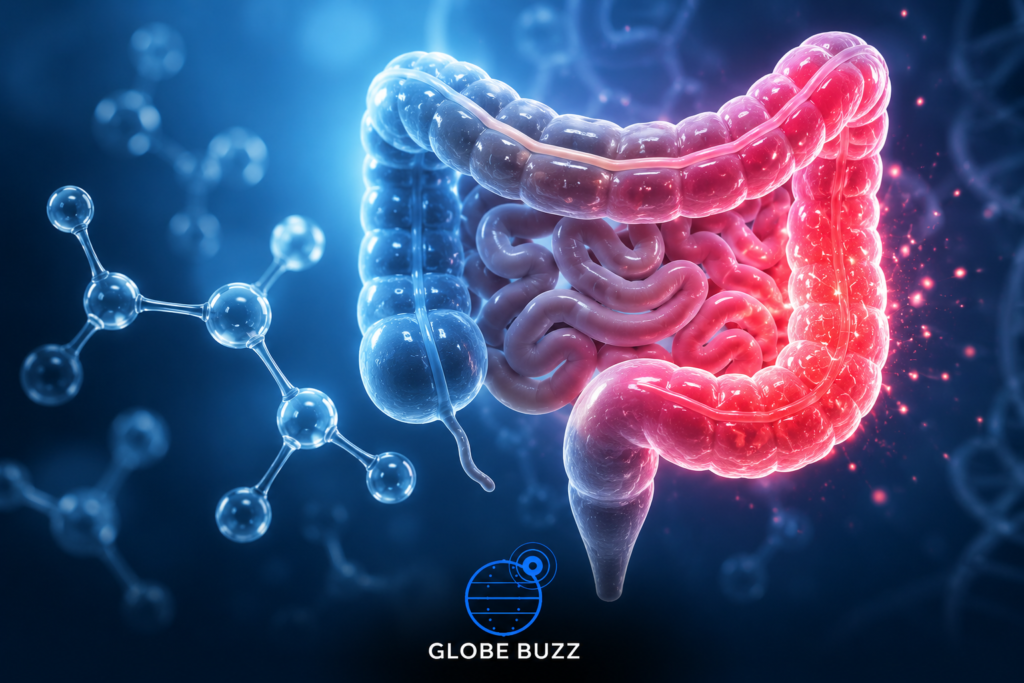
Scientists at the Massachusetts Institute of Technology have uncovered a discovery that could reshape the future of gastrointestinal medicine after identifying a naturally occurring amino acid capable of triggering the intestine’s own healing mechanisms.
The research centres around cysteine, an amino acid commonly found in foods such as meat, eggs, dairy products, beans and nuts. According to researchers, cysteine appears to activate a highly specialised repair response inside the gut, potentially opening the door to entirely new treatment strategies for inflammatory bowel disease and other chronic digestive disorders.
Inflammatory bowel disease, which includes Crohn’s disease and ulcerative colitis, affects millions of people globally and is characterised by chronic inflammation that damages the intestinal lining. Patients often experience severe abdominal pain, fatigue, bleeding, digestive dysfunction and recurring flare-ups that significantly impact quality of life.
Existing treatments largely focus on suppressing inflammation through steroids, immunosuppressants or advanced biological drugs that target specific immune pathways. While many of these therapies help control symptoms, they do not directly repair damaged intestinal tissue.
The MIT team believes their discovery may change that.
Researchers found that cysteine appears to activate a unique population of immune cells involved specifically in tissue regeneration and healing. Rather than simply reducing inflammation, the amino acid effectively signals the gut to begin rebuilding itself.
Scientists described the response as resembling a dedicated biological repair crew that becomes activated when cysteine levels increase within the intestinal environment. Once triggered, these cells appear to coordinate tissue restoration and strengthen the gut barrier that is often compromised in patients with chronic bowel disease.
The findings have generated significant interest because they point toward a far simpler and potentially more accessible therapeutic pathway than many modern pharmaceutical approaches.
Current biological treatments for inflammatory bowel disease can cost tens of thousands of dollars annually and often require lifelong treatment. If future human trials confirm that a nutritional or supplement-based therapy can stimulate similar repair mechanisms, it could dramatically reduce treatment costs and improve accessibility worldwide.
Researchers also noted that cysteine supplements already exist commercially and are generally considered safe when used appropriately. However, scientists cautioned against self-treatment, emphasising that the correct dosage, delivery method and patient suitability remain unknown until larger clinical trials are completed.
The pathway from laboratory findings to approved medical therapy remains lengthy. Human studies will still be required to determine whether the same regenerative effects observed in research models can be consistently reproduced in patients suffering from Crohn’s disease, ulcerative colitis and other gastrointestinal conditions.
Medical experts say the specificity of the repair mechanism is what makes the discovery particularly compelling. Rather than broadly altering immune function, cysteine appears to activate a targeted healing response focused specifically on rebuilding intestinal tissue.
The implications could eventually extend beyond inflammatory bowel disease alone. Scientists believe the same regenerative pathways may potentially prove useful in treating chemotherapy-related intestinal damage, gastrointestinal infections, surgical recovery and other conditions involving damage to the digestive tract.
As global rates of inflammatory bowel disease continue rising — particularly in developed nations — the demand for safer, more effective and more affordable therapies has intensified dramatically in recent years.
While researchers stress that more testing is necessary before cysteine-based therapies become clinically available, many scientists view the discovery as one of the more promising advances in regenerative gut medicine in recent years.
If future studies validate the findings in humans, the discovery could mark the beginning of a new category of treatment focused not merely on controlling inflammation, but on helping the gut heal itself naturally from within.