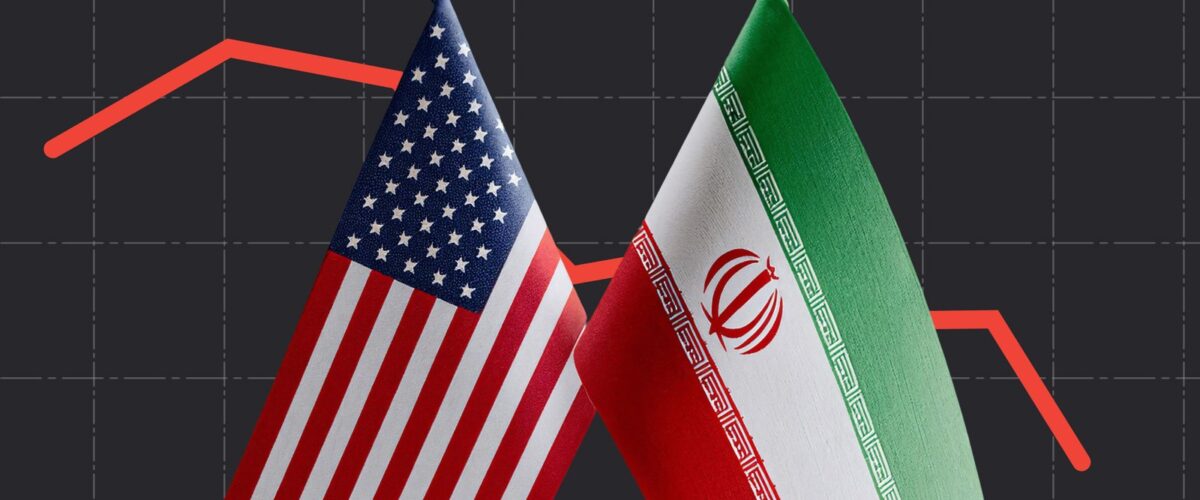
The United States and Iran remain locked in a dangerous diplomatic standoff after President Donald Trump publicly rejected Tehran's response to a proposed ceasefire, branding it "TOTALLY UNACCEPTABLE" on social media late Sunday.

Iran had delivered its formal response through Pakistani mediators on May 10, according to Iran's state-run Islamic Republic News Agency. The response was expected to address key US conditions for ending hostilities in the Middle East conflict that has gripped global markets since late February.

However, Trump's swift and blunt rejection signals the negotiations remain far from any breakthrough, raising fresh fears of an extended conflict that has already sent shockwaves through global energy markets.

## Saudi Arabia Warns of Gulf Attack Risk

NBC News exclusively reported that Saudi Arabia privately expressed alarm to Washington that the current US peace framework could provoke Iran into launching direct attacks against Gulf allies. Riyadh's concerns underscore just how delicate the regional balance remains, with multiple Gulf states caught between their security alliances with Washington and their geographic exposure to potential Iranian retaliation.

"The kingdom fears that the current proposal creates more risk than it resolves," a source familiar with the Saudi position told NBC News.

## Gas Prices Hit $4.55 Per Gallon

American consumers are already feeling the consequences at the pump. Gas prices topped $4.55 per gallon this week — the highest level since the conflict began — driven by uncertainty surrounding oil flows through the Strait of Hormuz, through which roughly 20% of the world's oil supply passes.

President Trump acknowledged the pain but urged patience.

"When the war is over, gas will fall down at levels that you've never seen before. You'll be down to where you were, maybe even lower," Trump told NBC's Meet the Press on Sunday.

Energy Secretary Chris Wright echoed that view, describing current price spikes as temporary consequences of an evolving negotiation process.

## Markets on Edge

Global financial markets have reacted sharply to the standoff. Gold and silver have surged as investors seek safe-haven assets, while oil futures remain volatile. Analysts at Motley Fool noted this week that geopolitical tensions are creating "wild swings" in equity markets, with investors struggling to position ahead of potential ceasefire announcements or further escalation.

The situation in the Strait of Hormuz has also prompted renewed focus on energy security, with multiple nations accelerating plans to diversify oil supply chains away from the region.

## What Happens Next

Diplomatic observers say the next 72 hours are critical. Pakistan's role as mediator has been central to keeping communications open between Washington and Tehran, and officials on both sides have indicated a desire to reach a resolution — even as their stated positions remain far apart.

Iran, for its part, faces mounting internal pressure. Food prices have skyrocketed and the currency has plunged amid a US-enforced naval blockade, with inflation accelerating at rates not seen in years. The Islamic Republic has also dramatically increased executions in recent months, particularly in cases linked to alleged espionage, signaling a government under severe domestic strain.

For now, the world watches and waits — as the Strait of Hormuz standoff continues to reshape geopolitics, energy markets, and the daily lives of millions.

---
*GlobeBuzz covers breaking geopolitical news from 180+ countries. Follow us on X @globebuzz_org for real-time updates.*
Press Release
Trump Rejects Iran’s Peace Proposal as “Totally Unacceptable” — Strait of Hormuz Crisis Deepens