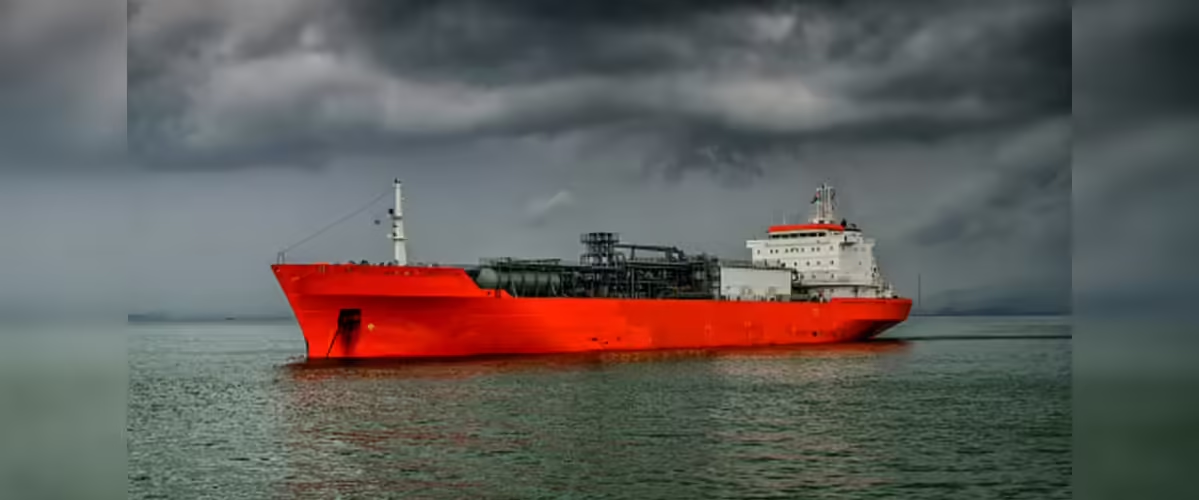
A fresh maritime security incident in the Gulf region is drawing international attention after a vessel was reportedly seized near Fujairah in the United Arab Emirates and redirected toward Iranian waters, according to the United Kingdom Maritime Trade Operations (UKMTO).
The report immediately raised concerns across global shipping markets and geopolitical circles due to the strategic importance of the waters surrounding the UAE and the nearby Strait of Hormuz, one of the world’s most critical energy and trade chokepoints.
According to the initial advisory issued by UKMTO, the situation unfolded near Fujairah, a major Emirati port city located along key international shipping lanes. Details surrounding the identity of the vessel, the parties involved, and the circumstances of the seizure remain limited as authorities continue monitoring developments.
The incident comes at a particularly sensitive time for regional maritime security, with tensions across the Middle East already elevated due to:
- Ongoing regional conflicts
- Naval confrontations
- Shipping disruptions
- Iran-West tensions
- Red Sea security concerns
- Energy market instability
Fujairah holds major strategic importance because it serves as one of the UAE’s most critical maritime hubs and a major refueling and shipping center for vessels moving through Gulf waters.
Any security incident near the area tends to trigger immediate concern among:
- Oil traders
- Shipping companies
- Insurance markets
- Naval coalitions
- Energy analysts
- International governments
The waters surrounding Iran and the Strait of Hormuz have experienced repeated maritime incidents over recent years, including:
- Tanker seizures
- Ship detentions
- Drone attacks
- Naval standoffs
- Commercial shipping threats
- Maritime sabotage allegations
Western governments and shipping organizations have long warned that escalating geopolitical tensions could threaten one of the world’s busiest maritime trade corridors.
Roughly a significant portion of global oil and liquefied natural gas shipments pass through the Strait of Hormuz each day, making regional stability essential for international energy markets.
Although Iranian authorities had not immediately commented on the reported seizure, Tehran has previously defended maritime enforcement actions in Gulf waters as legitimate responses to alleged legal or security violations.
At the same time, Western governments and maritime security agencies have repeatedly accused Iran of using commercial shipping pressure as part of broader geopolitical leverage during periods of heightened regional confrontation.
The latest incident could further intensify concerns about:
- Freedom of navigation
- Commercial shipping risks
- Oil supply disruptions
- Maritime insurance costs
- Naval escalation
- Gulf security stability
Security analysts note that even isolated shipping incidents can quickly impact global markets because investors closely monitor any threat to Gulf energy infrastructure and transport routes.
The UKMTO advisory system plays a key role in warning international shipping operators about potential threats in the region. Maritime alerts issued by the organization are closely followed by commercial fleets, naval forces, and international logistics companies operating throughout Middle Eastern waters.
The situation is also likely to increase scrutiny on multinational naval patrol operations currently active in the Gulf and surrounding waterways aimed at protecting commercial maritime traffic.
Online reactions to the reports have already intensified, with many users speculating about possible geopolitical implications and whether the incident could signal broader regional escalation.
Meanwhile, shipping companies operating in the region may begin reassessing routing risks, security protocols, and insurance exposure until additional details emerge.
As authorities continue investigating the reported seizure, global attention remains fixed on Gulf waters, where even a single maritime incident can rapidly evolve into a much larger geopolitical and economic flashpoint.