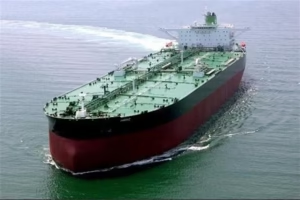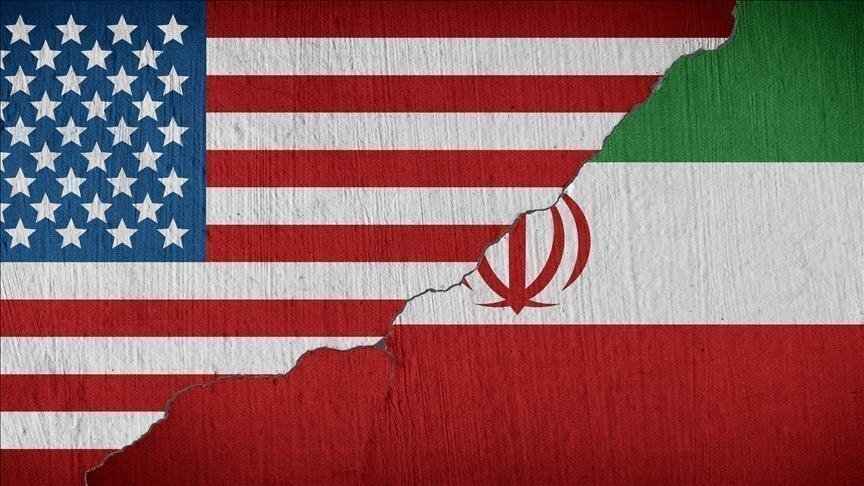
The ceasefire agreement between the United States and Iran, struck on April 7, 2026, is looking increasingly fragile. Oil prices have refused to fall back below $100 per barrel despite early market optimism, and some of Wall Street’s most respected geopolitical analysts are now warning that investors are making a serious mistake by treating the truce as a done deal. ## What the Market Got Wrong When the ceasefire was first announced, global equity markets surged. The S&P 500 recovered its entire 9% pullback within weeks. European stocks rallied broadly. But strategists at BCA Research and Deutsche Bank are urging caution, pointing to a pattern that has burned investors before. “The market is believing this is like ‘liberation day’ — that President Trump can raise the temperature and then lower it at the perfect time,” said Matt Gertken, chief geopolitical strategist at BCA Research. “But Iran has been attacked, and they have a higher pain threshold.” Deutsche Bank’s head of macro research Jim Reid drew a direct parallel with early 2022, when a brief S&P 500 rally following Russia’s invasion of Ukraine gave way to a 25% decline. Investors who treated early ceasefire signals as a resolution paid a heavy price. ## The Strait of Hormuz Remains the Key Variable Roughly 20% of the world’s oil and liquefied natural gas supply passes through the Strait of Hormuz. Its effective closure during the height of the US-Iran conflict sent energy prices surging to multi-year highs. While the strait has partially reopened, traffic remains well below normal levels, and Iran has reserved the right to reimpose restrictions if it considers the ceasefire terms violated. Tehran’s parliamentary speaker specifically cited continued Israeli strikes on Lebanon as a violation of the broader regional ceasefire framework, adding another layer of complexity to an already unstable situation. ## Federal Reserve Trapped by Energy Inflation The persistence of high oil prices has placed the Federal Reserve in an extremely uncomfortable position. Energy costs are feeding directly into headline inflation readings, making it politically and economically difficult for policymakers to justify the rate cuts that markets had been expecting for mid-2026. The Fed voted unanimously at its most recent meeting to hold rates steady at 3.50% to 3.75%. Internal signals suggest that a sustained return of oil below $80 per barrel would be a prerequisite for serious rate cut discussions to resume. ## Japan Acts — Others May Follow Japan has already taken emergency action, announcing the release of approximately 20 days of strategic oil reserves from May onwards to cushion its economy from the supply shock. Japan held roughly 230 days of reserves as of early April 2026 — one of the largest strategic stockpiles in the world. Analysts expect other major import-dependent economies, particularly in Asia and Europe, to consider similar measures if the Strait of Hormuz remains restricted through summer. ## What Investors Should Watch Three signals will determine whether the current ceasefire holds or collapses. First, whether the Strait of Hormuz returns to full operational capacity. Second, whether nuclear talks between Washington and Tehran resume with any genuine momentum. Third, whether Iran’s domestic political situation — under significant economic pressure from sanctions and the war — allows its leadership the flexibility to compromise. Until those questions are answered, analysts recommend treating any market rally based on Middle East optimism with significant caution.